
What Usually Happens In The Emergency Room?
Emergency room visits often come with uncertainty. Stress and questions are common, whether you're deciding to go, on the way, or waiting.

1. Arrival & Registration - Entering the System
Register at the designated desk or via digital self check-in. This records your arrival and begins your clinical file.
2. Triage Assessment - Ensure You Are Prioritized
A triage nurse evaulates your vital signs and symptoms. This interaction ensures the most critical patients are seen first, regardless of arrival order.
4. Provider Evaluation - Your Focused Assessment
You will see a Physician, Resident, Physician Assistant, or Nurse Practitioner. They will stabilize you and determine the next clinical steps.
3. The Wait - Understanding the Logic
Wait times are determined by medical urgency.
The delays are often due to staffing shortages, hospital bed availability, flue season surges, or the hospital's status as a Level 1 Trauma Center.
5. Diagnostic Testing - Investigating the Cause
Your team may do blood work (e.g., CBC, Troponin) or imaging (X-rays, CTs).

6. Final Decision - Next Steps for Your Care
After reviewing all results, the physician determines if you will be admitted for further monitoring or discharged home with an "After Visit Summary" and a follow-up plan.
Your Step-by-Step ER Journey

Understanding how triage prioritizes you
Level 5 - Non-urgent
Minor complaints, managed with care
Sore throats, minor rashes, prescription refills, and non-acute concerns. You will be seen, just have patience.
Response time: 2+ hours
Level 1 - Resuscitation
Immediate life-saving intervention
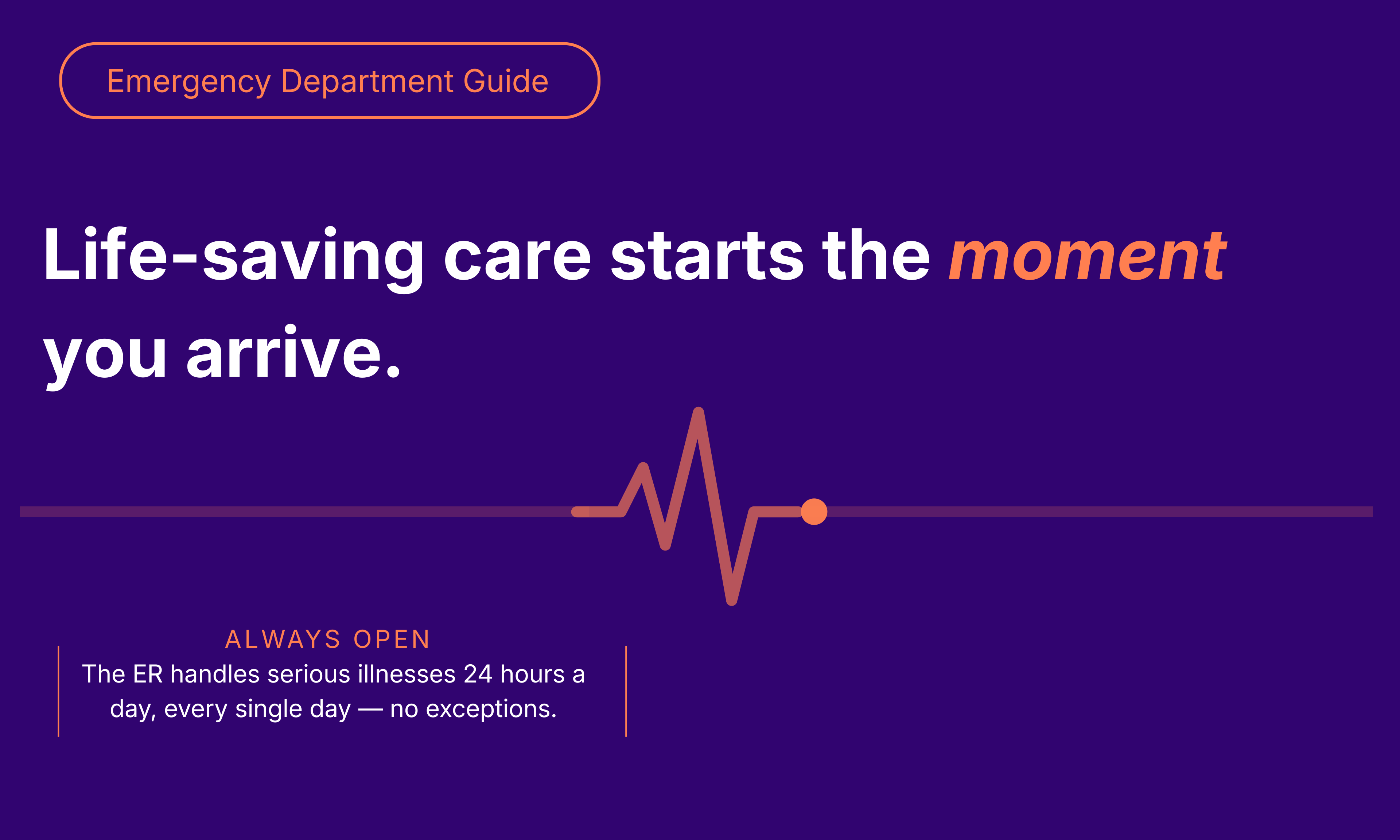
Cardiac arrest, severe trauma, or respiratory failure. Care begins the moment you arrive - no wait time, no delay.
Response time: Immediate
When speaking with your healthcare team, ask : "What are you most concerned about right now?"

Your voice is the best tool
Walk into the Emergency Room with confidence.
Get clear, clinical insight to ease your anxiety.
The Full Patient and Family Guide to the Emergency Room. provide a comprehensive roadmap for navigating the complexities of an emergency room visit and subsequent hospital admission.
Empowering patients and families through nurse-led insights and the Akin companion app.


Contact
My Health Guide Hub and the Akin app provide educational and organizational resources to patients and those that support them. This is information, not medical advice. Use of this site or the app does not establish a nurse-patient relationship. Always consult your medical team for clinical decisions.